Bedford Square florist recommendations for wedding flowers
Posted on 03/10/2026
If you are planning a wedding around Bedford Square, the flower question tends to arrive earlier than people expect. Not just "what bouquet do I want?" but "which florist will actually understand the space, the timing, the light, and the feel of the day?" Bedford Square florist recommendations for wedding flowers are most useful when they do more than name a pretty arrangement. They should help you choose a florist who can deliver beautiful work that suits the venue, the season, and the slightly hectic reality of a wedding morning. And let's face it, wedding mornings are rarely calm for long.
This guide walks through what to look for, how to compare options, common mistakes to avoid, and how to plan flowers that feel elegant rather than overdone. You will also find practical examples, a checklist, and a few sensible recommendations for wedding flower styles that tend to work especially well in central London settings.
- Why Bedford Square florist recommendations for wedding flowers Matters
- How Bedford Square florist recommendations for wedding flowers Works
- Key Benefits and Practical Advantages
- Who This Is For and When It Makes Sense
- Step-by-Step Guidance
- Expert Tips for Better Results
- Common Mistakes to Avoid
- Tools, Resources and Recommendations
- Law, Compliance, Standards, or Best Practice
- Options, Methods, or Comparison Table
- Case Study or Real-World Example
- Practical Checklist
- Conclusion
- Frequently Asked Questions
Why Bedford Square florist recommendations for wedding flowers Matters
Choosing a florist for a wedding near Bedford Square is not only about flowers looking lovely in photos. It is about trust, timing, and fit. Bedford Square sits in a part of London where couples often want a polished, refined look that still feels personal. The best florist recommendations account for that balance. They help you avoid the mismatch that happens when someone brings in a style that belongs in a country barn or a maximalist ballroom, but not quite in an elegant central London setting.
There is also the practical side. Wedding flowers need to be planned around venue access, delivery slots, setup windows, weather, and how long arrangements will sit before guests arrive. If your florist understands these realities, the whole day feels calmer. If they do not, even beautiful flowers can become a headache. You do not want a bridal bouquet arriving at the wrong time or buttonholes sitting in a hot car in midsummer. That sort of thing happens. More than it should.
Good recommendations matter because they narrow the field to florists who can handle weddings as well as bouquets. A florist may be brilliant for everyday delivery but not the right choice for installations, ceremony flowers, or a coordinated bridal party palette. The recommendation should therefore answer three questions at once: can they do the style, can they do the logistics, and can they do it reliably?
One more thing. In a place like Bedford Square, where the surroundings are already handsome, the floral job is often to complement rather than compete. That sounds simple. It is not. The right florist knows when to go soft, when to go structured, and when to let the architecture do half the work.
How Bedford Square florist recommendations for wedding flowers Works
Florist recommendations work best when they start with the wedding itself, not with a catalogue. The process usually begins with the couple's date, venue, guest count, season, and preferred colour palette. From there, a florist can suggest suitable wedding flowers, bouquet shapes, table designs, and practical delivery options. If you are working with a florist serving Bedford Square, that early planning stage matters a lot because central London weddings often involve tighter access and narrower timing windows.
In practice, the process often looks like this:
- Share the wedding date, venue details, and overall style.
- Discuss the main floral priorities: bridal bouquet, ceremony, reception, buttonholes, or all of the above.
- Set a budget range before the design conversation gets too dreamy.
- Review seasonal options and colour combinations.
- Confirm delivery, setup, and collection arrangements.
- Approve the final plan, including substitutions if a stem becomes unavailable.
That last point is easy to overlook. Flowers are seasonal, and some varieties simply are not dependable year-round. A good florist will talk plainly about substitutions. Not as a downgrade, but as a safeguard. Truth be told, that kind of honesty is a very good sign.
For wedding work, you are really buying design judgment as much as flowers. A florist who knows how to scale arrangements for a small civil ceremony versus a larger reception will save you from over-ordering or under-ordering. You should expect them to ask questions about aisle width, table size, bouquet preference, and whether the venue allows candles or hanging mechanics. Sensible questions. The sort that show they have done this before.
Key Benefits and Practical Advantages
The right florist recommendation can improve the wedding in ways that go beyond appearance. Flowers affect the tone of the day, how the room photographs, and even how guests experience the first few minutes of arrival. A well-judged bouquet can make a bride feel composed. A balanced table arrangement can stop a room feeling bare. Small details, but they add up quickly.
- Better style alignment: you get arrangements that suit Bedford Square's refined setting rather than fighting against it.
- Less stress: a florist who understands wedding logistics reduces the chance of missed timings or awkward setup problems.
- Stronger value: recommendations help you find florists whose work matches your budget, not just your Pinterest board.
- Seasonal suitability: you are more likely to choose flowers that hold up well and look fresh on the day.
- Photo-friendly results: shape, colour, and scale can be planned with photographs in mind, which really matters.
There is also an emotional benefit that is hard to price neatly. When the flowers arrive looking exactly as hoped, a surprising amount of nervous energy drops away. You can see it in people's shoulders. Slightly ridiculous, perhaps, but true. Good flowers settle a room.
For couples comparing options, it helps to think in layers: the bridal bouquet, the ceremony focal point, the tables, and the smaller pieces like buttonholes or corsages. Not every wedding needs every layer. The strongest recommendations are the ones that help you prioritise what will be seen most and remembered longest.
Who This Is For and When It Makes Sense
This kind of florist recommendation is for couples who want wedding flowers that feel thoughtful, not generic. It is especially useful if your wedding is near Bedford Square and you want a florist who understands London venue rhythms and can work neatly within them. It also suits anyone who feels a bit overwhelmed by the sheer number of floral styles out there. There are many. Too many, some days.
It makes sense if you are:
- planning a civil ceremony or intimate reception near central London;
- trying to compare florists without wasting time on unsuitable ones;
- working to a clear budget and need honest advice on where to spend;
- looking for seasonal, polished flowers rather than oversized statement pieces;
- trying to coordinate bridal, bridesmaid, ceremony, and table flowers in one style;
- booking relatively late and need a florist who can be organised and responsive.
It is less useful if you already have a full wedding design team handling every decorative detail in-house. Even then, a florist recommendation can still be useful as a backup plan or a second opinion. In our experience, many couples start with broad inspiration and end up needing a more grounded recommendation once the practicalities show up. They always do, eventually.
If you are the kind of person who likes to know exactly what is happening and when, this topic is for you. If you prefer a florist to take the lead while you focus on dress fittings and guest lists, it is still for you. The difference is simply how much direction you want to give at the start.
Step-by-Step Guidance
A sensible wedding flower plan does not need to be complicated. It just needs to be structured. Here is a clear way to work through it without losing momentum halfway through.
- Define the mood. Decide whether you want classic, romantic, modern, seasonal, luxury, or relaxed garden-style flowers. This keeps you from drifting into too many styles at once.
- Set the priorities. Choose the pieces that matter most: bridal bouquet, bridesmaid bouquets, ceremony flowers, table arrangements, buttonholes, or a combination.
- Choose a colour story. Think in terms of two or three main colours and one accent. White and green is classic. Soft pinks feel romantic. Deep reds create drama. Mixed colours can work well if handled carefully.
- Check seasonal availability. Ask what will be at its best on your date. A good florist will steer you toward flowers that suit the time of year.
- Discuss scale and venue layout. A small room near Bedford Square does not need oversized centrepieces. Better to have fewer, better-placed flowers than a crowded table.
- Confirm practical details. Delivery, setup, timings, access, parking, and collection all need to be clear well in advance.
- Review the final plan in writing. Make sure the quote includes quantities, flower types where possible, and any substitution policy.
For a modest wedding, the simplest workable plan is often the best: one bridal bouquet, a few bridesmaid bouquets, buttonholes, and a handful of table arrangements. For a larger celebration, you may add a ceremony arch, welcome flowers, or a statement arrangement for the entrance. The key is consistency. Random floral ideas scattered everywhere can look expensive without looking coherent. Not ideal.
One useful trick: ask your florist to describe the flowers as a "shape" as well as a list of stems. Round and compact feels different from loose and trailing, even if the colours are similar. That small shift in language helps you understand the design more quickly.
Expert Tips for Better Results
There are a few small choices that make a big difference. These are the things seasoned couples often learn only after they have been through one consultation or two.
- Bring venue photos, not just inspiration photos. A bouquet you love online may not suit a room with low light, high ceilings, or dark wood.
- Be honest about budget. Florists can usually help more when they know the real number. Hidden budgets are a pain for everyone.
- Pick one floral "hero". If the bouquet is lush, maybe keep the tables simpler. If the reception tables are the star, do not overcomplicate the bridal flowers.
- Ask about stem durability. Some flowers look stunning but are fussy in warm weather. Others are more resilient and still beautiful.
- Think about the ceremony sequence. Bouquet weight matters if you are holding it for a long time. Smaller can be smarter.
- Choose colours that suit skin tones and fabrics. White dresses, ivory dresses, satin, lace, and suit colours all interact with flowers differently.
Another tip that sounds almost too simple: ask what the arrangements will smell like. Some couples love fragrance; others do not want overpowering scent around the table. Lilies, roses, and garden-style mixes can bring very different sensory experiences. If you are having a close indoor reception, that matters more than people expect.
To be fair, a lot of wedding flower stress disappears when you stop trying to make every arrangement "wow" in the same way. You do not need every bouquet to be the hero. Some flowers are there to support the overall picture, and that is enough.
Expert summary: the best Bedford Square florist recommendations for wedding flowers balance style, timing, and restraint. If a florist helps you refine rather than simply add more, you are probably in safe hands.
Common Mistakes to Avoid
Wedding flower mistakes are usually not dramatic. They are just small decisions that compound. The good news is that most of them are easy to avoid once you know what to look out for.
- Starting too late: the best florists are often booked ahead of time, especially for popular wedding dates.
- Choosing flowers without checking seasonality: this can cause delays, substitutions, or unnecessary cost.
- Ignoring venue access: if setup is awkward, your florist needs to know early.
- Overcomplicating the palette: too many colours can make the final look feel muddled.
- Underestimating transport and timing: wedding flowers need protection from heat, cold, and long waits in vehicles.
- Forgetting the boring pieces: buttonholes, corsages, and table numbers matter more than people assume.
One mistake worth calling out separately is assuming every florist will interpret "simple and elegant" the same way. They will not. For one florist, that means minimal white roses. For another, it means loose seasonal stems with movement and texture. Say what you mean. Better yet, show examples and explain what you like about them. The "what" is fine. The "why" is even better.
And please, do not leave it to "the flowers will be fine." They probably will not be fine by magic. There is planning involved, annoying little details and all.
Tools, Resources and Recommendations
Planning wedding flowers is easier when you have a few simple tools and references to hand. You do not need anything fancy. Just practical supports that keep your decisions organised.
- Venue photos: helpful for showing the florist the room, the table spacing, and the light levels.
- Colour swatches: useful when matching flowers to dresses, ties, napkins, or stationery.
- Guest list and table plan: even a rough version helps the florist estimate arrangement count.
- Budget breakdown: separate bridal flowers, ceremony flowers, and reception flowers into different lines if you can.
- Seasonal reference notes: jot down which flowers you love, then ask what is realistic for your date.
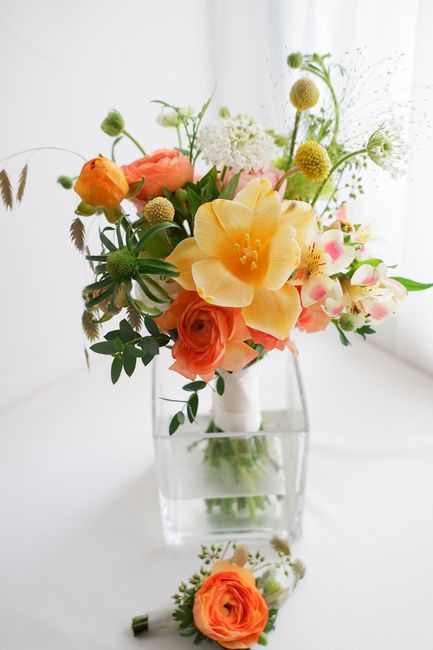
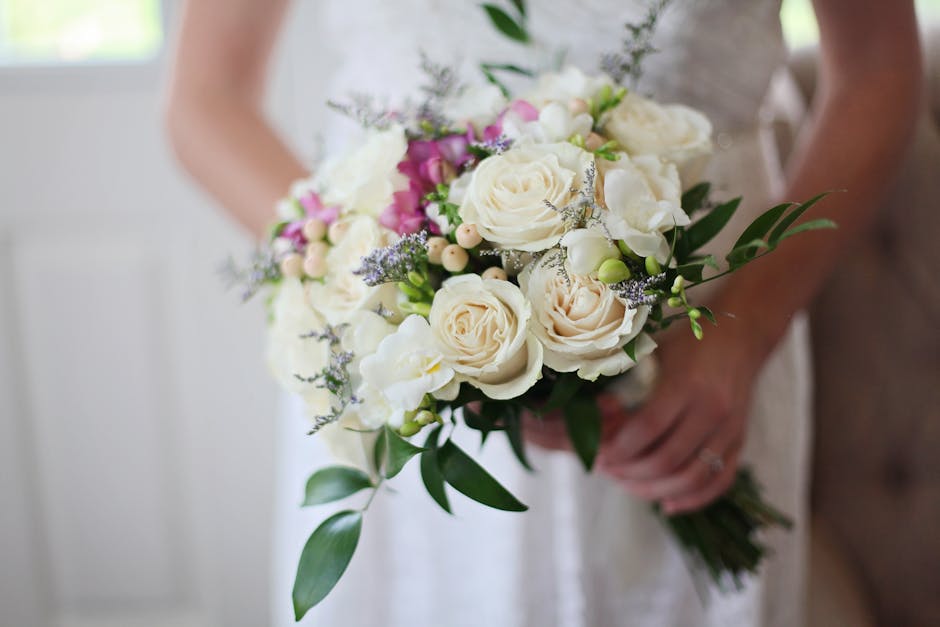
On the product side, it can help to browse wedding-specific ranges rather than general everyday bouquets. For example, the site's dedicated wedding collection is a useful place to see how bridal, bridesmaid, and table styles can work together. If you are narrowing down bouquet styles, the bridal bouquet range and bridesmaid bouquet options are especially helpful because they let you compare scale and tone side by side.
For smaller finishing touches, the buttonhole selection, table arrangements, and wedding corsages can complete the look without forcing a big budget leap. That is often where a balanced plan really comes together.
If you are still choosing a florist rather than specific flowers, it can help to review the broader florist in Bloomsbury WC1 and flower delivery in Bloomsbury WC1 pages to understand service scope, delivery expectations, and how local orders are handled.
Law, Compliance, Standards, or Best Practice
Wedding flowers are not a heavily regulated purchase in the way some services are, but there are still sensible standards and practical obligations that matter. In the UK, the main issues tend to be consumer clarity, delivery reliability, product care, and fair terms. You should know what is included in the order, what happens if a flower variety is unavailable, and how cancellations or changes are handled.
Good best practice includes:
- clear written confirmation of the order;
- transparent substitution policies for seasonal flowers;
- delivery and access information agreed in advance;
- an understanding of who is responsible for setup and collection;
- reasonable care instructions so flowers last as well as possible.
If a florist is also handling payment and refunds, the terms should be easy to find and read. That is partly about trust and partly about avoiding last-minute confusion. It is always better to know the rules before the week of the wedding than while you are juggling seating plans and a hundred tiny decisions.
For sustainable choices, many couples now ask about locally sourced stems, foam-free mechanics where possible, and reusable vessels. These are not universal requirements, but they are increasingly common best-practice questions. If sustainability matters to you, ask plainly. A decent florist will not be put off by that.
You may also want to confirm that the florist can work safely with the venue's rules around access, electrical points, hanging items, and protected surfaces. Not dramatic legal stuff. Just sensible respect for the space.
Options, Methods, or Comparison Table
Different wedding flower approaches suit different budgets, schedules, and design tastes. Here is a simple comparison to help you narrow things down.
| Option | Best for | Strengths | Watch out for |
|---|---|---|---|
| Classic white and green | Elegant London weddings, formal settings | Timeless, refined, easy to coordinate | Can look plain if textures are not varied |
| Soft romantic pastels | Intimate ceremonies, spring and summer weddings | Gentle, flattering, very photogenic | Needs careful balance to avoid looking washed out |
| Bold mixed colours | Creative couples, lively receptions | Memorable, energetic, modern | Easy to overdo if too many tones compete |
| Luxury statement flowers | Fewer arrangements with bigger visual impact | Striking focal points, strong presence | Can absorb budget quickly |
| Seasonal garden-style florals | Natural, relaxed, textural designs | Organic look, often flexible with stem choice | Needs a florist with good styling instincts |
If you are unsure which route to take, start with the room and the dress rather than the flowers. That usually gives a cleaner answer than chasing an idea that sounded beautiful at 11pm on a phone screen. We have all been there.
Case Study or Real-World Example
Imagine a couple planning a small wedding near Bedford Square in early autumn. They want something elegant but not too formal, and they have a modest budget. The bride loves white flowers, but not the cold, stiff kind. The venue is stylish and fairly light, with enough character already that the flowers do not need to shout.
A sensible florist recommendation would likely lean toward a simple but textured palette: white roses, lisianthus, a little greenery, and perhaps a few softer accent stems to avoid a flat look. The bridal bouquet might be compact and hand-tied, with bridesmaid bouquets slightly smaller but clearly related. Buttonholes would be kept neat and understated. For the reception, instead of flooding every surface, the florist might suggest a few elegant table arrangements and one stronger entrance piece.
What makes this work is not the number of stems. It is the consistency. The flowers echo one another without repeating too much. The room feels considered. Guests notice, but not in a loud way. More like a quiet "oh, that's lovely" as they sit down.
That kind of outcome is exactly why strong florist recommendations matter. They help couples avoid the temptation to choose flowers in isolation. Instead, each piece supports the whole day.
Now imagine the same couple had chosen from a generic bouquet catalogue with no regard for venue scale or wedding timing. They might end up with oversized arrangements, mismatched colours, or a bouquet that is hard to carry. Not a disaster, but not ideal either. The difference is usually in the planning, not the petals.
Practical Checklist
Use this checklist before confirming your wedding flower order. It keeps the important details in one place and saves a surprising amount of back-and-forth later.
- Have you confirmed the wedding date and venue?
- Do you know which flower items you actually need?
- Have you set a realistic budget range?
- Have you chosen a clear style direction or mood?
- Have you discussed seasonality and substitutions?
- Do you know the delivery and setup timings?
- Has the florist seen venue photos or layout information?
- Are the bridal bouquet, bridesmaid bouquets, buttonholes, and table flowers coordinated?
- Have you checked how the flowers should be cared for on arrival?
- Is everything confirmed in writing?
Quick reminder: if the order feels vague at the quote stage, it will probably feel vague on the day too. Clear details now save stress later. That is just how it is.
Conclusion
Bedford Square florist recommendations for wedding flowers are at their most valuable when they make the whole process easier to trust. The right florist will help you choose flowers that suit the venue, fit the season, and hold together beautifully from the first photo to the last toast. That means less guesswork, fewer surprises, and a result that feels like it belongs to your day rather than just filling space.
If you remember only one thing, make it this: good wedding flowers are not just about beauty. They are about fit, timing, and confidence. When those three line up, the flowers do their job quietly and brilliantly. No fuss. Just lovely, memorable detail.
And if you are still at the stage of comparing options, take your time. A calm, well-informed choice nearly always beats a rushed one. The right flowers have a way of lifting the whole day, and that is worth getting right.
Get a free quote today and see how much you can save.
Frequently Asked Questions
What should I look for in a Bedford Square wedding florist?
Look for a florist with wedding experience, strong design consistency, clear communication, and a sensible approach to timing and venue logistics. You want someone who asks useful questions, not just someone who shows pretty pictures.
How far in advance should I book wedding flowers?
As early as you can, especially for popular wedding dates. Booking ahead gives you more choice and makes it easier to secure the style and scale you want. Late bookings can still work, but flexibility helps.
What flowers work best for a London wedding near Bedford Square?
Classic roses, lisianthus, orchids, seasonal greenery, and soft mixed arrangements often work well because they look polished and suit refined indoor venues. The best choice depends on season, colour palette, and the size of the space.
Are white wedding flowers always the safest option?
White is a safe and elegant option, but it is not the only one. White flowers can look very different depending on texture, greenery, and the room they are in. Soft blush, cream, and mixed palettes can be just as timeless.
How do I keep wedding flowers within budget?
Prioritise the flowers that will be seen most, such as the bouquet and ceremony focal points, then simplify the rest. Seasonal stems, fewer large arrangements, and a clear brief all help keep costs sensible.
Should I choose seasonal flowers for my wedding?
Usually, yes. Seasonal flowers are often fresher, easier to source, and better value. They also tend to look more natural because they suit the time of year rather than fighting it.
What if the florist cannot get the exact flowers I want?
A good florist will suggest a close alternative that keeps the same look and feel. This is normal in wedding work. Substitutions are part of the process, especially when flowers are seasonal or weather-sensitive.
Do I need separate flowers for the ceremony and reception?
Not always. Some arrangements can be moved from one part of the day to another if the venue and schedule allow it. That can be a smart way to stretch the budget without making the day feel sparse.
How many buttonholes or corsages should I order?
That depends on the number of people in the wedding party and who you want to recognise. A florist can help you count these properly. It is easy to forget one or two, which is a bit annoying on the day.
Can a florist help with bridesmaid bouquets as well as the bridal bouquet?
Yes, and it is usually better if they do. Coordinated bouquets create a more finished look. They do not need to match exactly, but they should feel like they belong together.
What is the difference between table arrangements and centrepieces?
In practice, people often use the terms loosely. A centrepiece is usually the main floral item on a table, while an arrangement may be any floral decoration placed there. Your florist should explain what suits your table sizes and room layout.
Is it worth paying more for a wedding specialist florist?
Often, yes, if the florist is genuinely experienced with weddings. The extra value usually comes from better planning, stronger logistics, and more reliable results under pressure. That can be worth far more than a slightly cheaper quote.
How can I make sure the flowers look good in photos?
Choose flowers with shape, contrast, and enough texture to hold up on camera. Avoid overpacking colours or using arrangements that are too small for the venue. A florist can help balance the design for both real life and photographs.